
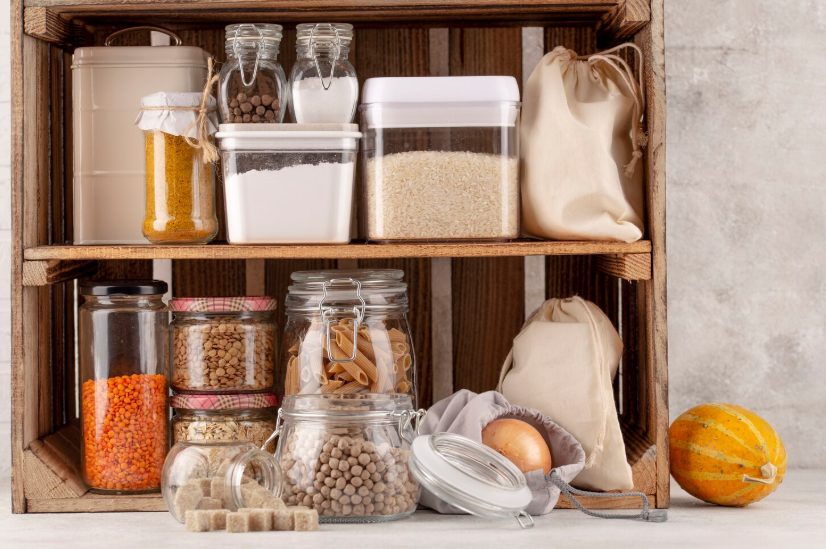
The Pantry Reset is a simple process that aligns shopping with reality rather than habit, and the savings add up fast. No coupons. No extreme meal planning. Just clarity.
Most grocery overspending doesn’t happen at the store; it starts at home, which is why the pantry reset method works so well. When pantries, fridges, and freezers are disorganized or neglected, people rebuy what they already own, overestimate their needs, and waste food that quietly expires.
Why Most Grocery Budgets Leak Money
The average household constantly buys duplicates: extra pasta, another jar of sauce, one more bag of rice “just in case.” These purchases may seem small, but they compound over time.
Out-of-sight food is effectively invisible. Items pushed to the back expire, get tossed, and get repurchased later. That cycle alone can drain a grocery budget without anyone noticing.
The Pantry Reset works because it interrupts autopilot spending and replaces it with awareness.
See Monthly Expenses Most People Forget to Audit and How to Lower Them for budget-saving tips.
Step One: The Full Inventory Reset
Start by pulling everything out of your pantry, fridge, and freezer. Yes, everything. This forces visibility and breaks the illusion that you’re “out of food.”
Group items by category: grains, canned goods, sauces, snacks, proteins, frozen items. You’ll immediately see duplicates and forgotten stock.
Check expiration dates, but don’t panic. Many items remain usable well past their printed dates. The goal isn’t perfection; it’s knowing what you actually have.
Step Two: Build Meals From What Exists
Before planning new meals, build a list of meals you can make right now with what’s already on hand. This reframes food as inventory, not inspiration.
You don’t need full recipes. Simple combinations count. Pasta plus sauce plus protein is a meal. Rice, frozen vegetables, and seasoning make a meal.
This step alone often covers one to two weeks of meals without a full grocery run.
Check out The Grocery Store Layout Hack That Cuts Your Total by 20% to pair your strategy with smarter shopping.
Step Three: Shop to Fill Gaps, Not Shelves
Once meals are identified, shop only for missing components—not complete meal plans. If you need one ingredient to unlock three meals, that’s a smart purchase.
This approach eliminates impulse buying disguised as “planning.” You’re not stocking up; you’re completing.
It also prevents the purchase of aspirational foods that are never used.
Why This Cuts $150 a Month (Consistently)
Most households reduce grocery trips after a reset. Fewer trips mean fewer impulse purchases and fewer “just in case” items.
Food waste drops sharply because items are used intentionally instead of being rediscovered too late. That alone saves real money.
Finally, shopping becomes targeted. Instead of wandering aisles, you’re in and out with purpose—and a smaller receipt.
Explore The Cheapest Days of the Week to Buy Everything to time grocery trips for lower prices.
How to Maintain the Reset Without Effort
You don’t need to repeat the complete reset monthly. A mini-reset every few weeks, checking categories and rotating items forward, is enough.
Store new purchases behind older ones so the oldest food gets used first. This simple habit prevents future buildup.
Keep a running note of truly low pantry staples. This replaces mental guesswork with a visible system.
Want a reset that uses what you already have? Try The ‘Zero Waste, Zero Spending’ Weekend Challenge.
The Snoop’s Rule for Pantry Savings
Treat food like inventory, not decoration. What you see determines what you use.
The Pantry Reset isn’t restrictive; it’s freeing. You stop buying food mindlessly and start buying strategically.
When your kitchen reflects reality, your grocery bill tends to follow.