
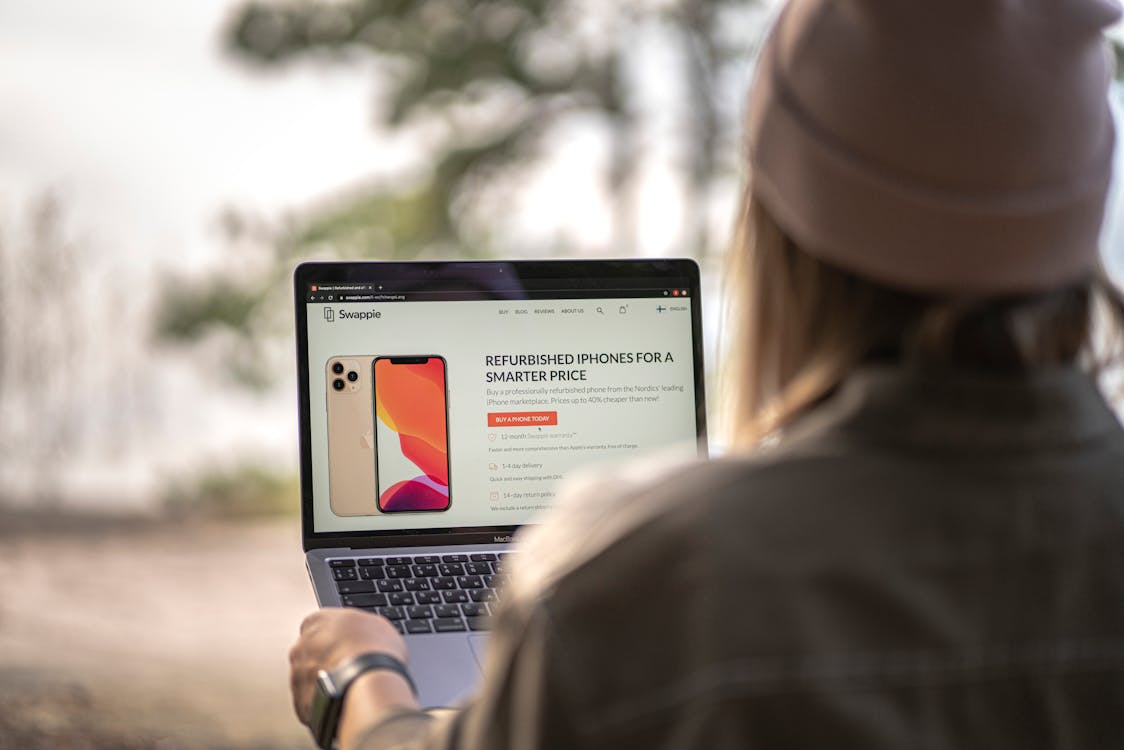
Once you understand the basic refurb tiers and protections, factory-refurbished tech stops feeling like a gamble. You can start focusing on how to buy factory refurbished tech in a way that actually gets you more value.
Buying brand-new tech feels safe until you realize how quickly prices drop and how little “new” actually guarantees. Factory-refurbished products sit in a sweet spot that most shoppers overlook: tested, repaired if needed, backed by warranties, and sold at steep discounts.
In 2026, as device cycles shorten and returns increase, refurbishing has quietly become one of the wisest ways to buy technology.
What “Factory Refurbished” Actually Means
Factory-refurbished doesn’t mean used and wiped down. It means the product was returned to the manufacturer, or an authorized refurbisher, where it was inspected, repaired if necessary, tested against the original specs, and repackaged for resale.
Many refurb units were never defective. They’re often customer returns that have been opened once, display models, or items with damaged packaging. Others had minor issues fixed with genuine parts before being certified for resale.
The key distinction is authorization. Factory refurb units come from the brand itself or a certified partner, not a random reseller. That’s what separates legitimate deals from risky “used” listings dressed up with nicer language.
To expand your options, explore How to Shop International Versions of Sites Like Amazon for Cheaper Prices.
Understanding Refurb Grades and Why They Matter
Refurbished products are commonly labeled by condition, such as like new, excellent, very good, or good. These grades typically describe the cosmetic appearance, rather than functionality. Internally, the device should meet the same performance standards regardless of grade.
A “like-new” refurb may be indistinguishable from a brand-new product. A lower-grade unit may show minor scuffs or signs of handling, but it will still function perfectly. If the device is something you’ll put in a case or use at a desk, cosmetic differences are rarely a concern.
What does matter is whether the grading system is clearly explained. Reputable sellers outline exactly what each grade means. Vague descriptions are a sign to proceed carefully.
See The Browser Extension Combo That Finds Lower Prices 80% of the Time to stack more savings.
Warranties, Returns, and the Safety Net Most People Miss
One of the biggest myths about refurbished tech is that it’s sold as-is. In reality, factory refurb products often include warranties ranging from 90 days to a full year. Some even match new-product warranties.
Return policies are another overlooked advantage. Authorized refurb programs usually offer standard return windows, allowing you to test the device risk-free. This safety net makes refurbishing far less risky than buying used from individuals.
Extended warranties can also be added in many cases, often at a lower cost than new-product coverage, making refurbished purchases even more compelling for high-ticket items.
Check The Cheapest Days of the Week to Buy Everything (Groceries, Gas, Flights & More) to time purchases.
Why Refurb Beats New for Fast-Changing Tech
Technology depreciates faster than almost anything else. Phones, laptops, tablets, and smart devices lose value the moment they’re opened. Buying refurbished allows someone else to absorb the initial depreciation.
In 2026, with frequent model refreshes and incremental upgrades, last year’s “top tier” device is often indistinguishable in daily use from the newest release. Refurb allows you to buy higher specs for less money and avoid paying premiums for marginal improvements.
There’s also a sustainability benefit. Refurb extends the life of existing products, reducing e-waste and resource consumption without sacrificing performance.
How to Avoid Sketchy Sellers and Bad Refurbs
Stick to manufacturer sites, authorized retailers, and well-known refurb programs. These sellers disclose conditions, include warranties, and use genuine parts. If the listing avoids specifics or offers prices that seem impossibly low, that’s a warning sign.
Check serial numbers, confirm warranty activation, and review return policies before making a purchase. Legitimate refurb sellers make this information easy to find.
Finally, avoid marketplace listings that mix “used,” “renewed,” and “refurbished” interchangeably. Precision matters here, and trustworthy sellers use it.
For insights on choosing value, compare Affordable Alternatives to Big-Ticket Brands That Don’t Feel Like Downgrades.
The Snoop’s Rule for Buying Refurbished with Confidence
Compare refurbished prices to new, not to used. If the discount isn’t meaningful, skip it. When the savings hit 20–40% or more, refurb becomes a strategic win.
Buy refurb for devices where performance matters more than packaging. Use new purchases for gifts or items where presentation is critical.
Once you’ve had a good refurb experience, it changes how you buy tech forever. You stop paying extra for shrink wrap and start paying for value.