Knowing which items hold up secondhand can quietly save hundreds or even thousands over time, especially when you understand what to buy used instead of new.
Buying new feels safe. Clean packaging, full warranties, and the reassurance that it has not been touched by anyone else first. But for many everyday items, “new” adds cost without adding value. In fact, some categories depreciate so fast or are built so durably that buying new is often the least efficient option.
Why “New” Is Often the Worst Value
The moment many products leave the store, they lose a significant portion of their value, regardless of their condition. That drop has nothing to do with quality and everything to do with perception.
Retailers price new items to cover the costs of marketing, packaging, and returns. Secondhand pricing strips those costs away while leaving the product largely intact.
For durable goods, especially, newness rarely equals better performance. It just equals higher margins.
Explore Secret Student, Teacher, and Military Discounts Adults Rarely Realize They Qualify For to unlock savings
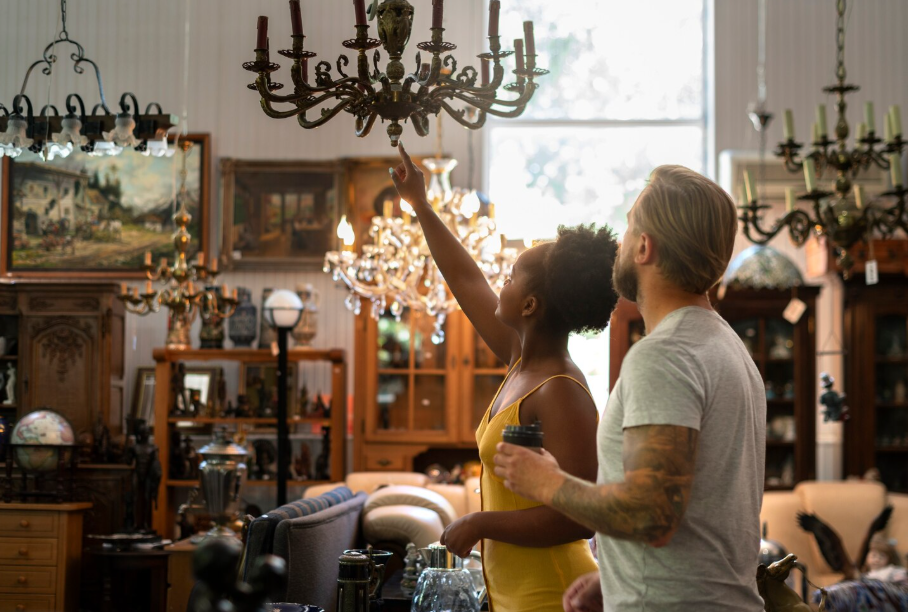
Furniture and Home Goods Built to Last
Solid furniture is one of the best categories to buy secondhand. Tables, dressers, shelving, and chairs are often made from stronger materials than today’s budget-friendly new versions.
Minor cosmetic wear doesn’t affect function, and many pieces can be easily cleaned, refinished, or updated. Upholstered items require more caution, but hard-surface furniture is generally low-risk.
Buying used here often means getting higher quality for a fraction of the price.
Kitchen Gear and Small Appliances
Pots, pans, baking dishes, and utensils are notoriously overpriced when new. Many will last for decades with minimal care, making secondhand options nearly indistinguishable in terms of use.
Small appliances, such as mixers, blenders, and coffee makers, are also strong candidates, especially when used lightly or purchased in open-box condition. These items are frequently gifted, barely used, and resold quickly.
As long as parts are intact and the item functions properly, newness adds little benefit.
Check The Pantry Reset Trick That Saves $150/Month Without Couponing to lighten monthly spending
Tools, Equipment, and Hobby Gear
Tools are designed to take abuse. That makes them ideal for secondhand buying. Many people purchase tools for a single project and then sell them in near-new condition.
The same applies to hobby equipment. Cameras, musical instruments, camping gear, and fitness equipment often sit unused after initial enthusiasm fades.
Buying used allows you to test a hobby without paying a premium and can be resold later with minimal loss if it’s not for you.
See Subscription Services That Offer Hidden Lifetime Rates If You Know To Ask to combine habits with ongoing savings.
Books, Media, and Learning Materials
Books are functionally identical whether new or used. The content remains unchanged, and cosmetic wear rarely impacts usability.
Textbooks, reference guides, and educational materials depreciate quickly, even when still relevant. Buying used here is one of the easiest wins.
Digital alternatives exist, but physical copies, secondhand, often cost less and retain resale value.
Clothing Categories Where New Doesn’t Matter
Outerwear, denim, and everyday basics often benefit from being broken in. Used versions may actually fit and feel better than stiff new ones.
Children’s clothing is another standout category. Kids outgrow items quickly, leaving behind gently used pieces with plenty of life left.
The key is focusing on condition, not tags. Many secondhand items are barely worn or never worn at all.
Learn The 3-Tab Trick for Getting Discounted Gift Cards Without Getting Scammed to reduce costs on purchases.
When Buying New Does Make Sense
Not everything should be bought used. Mattresses, certain safety equipment, and personal hygiene items are usually better to purchase new due to health or liability concerns.
Consumables and items with unknown wear history also require caution. When safety or hygiene is involved, newness still has value.
The rule isn’t “never buy new.” It’s “don’t assume new is better.”
The Snoop’s Rule for Buying Used Wisely
If an item’s function doesn’t depend on freshness, consider buying used first and upgrading later if needed.
Let someone else absorb the initial depreciation. You get the value without the premium.
New should be a choice, not a default. Once you break that habit, everyday spending gets much lighter.