
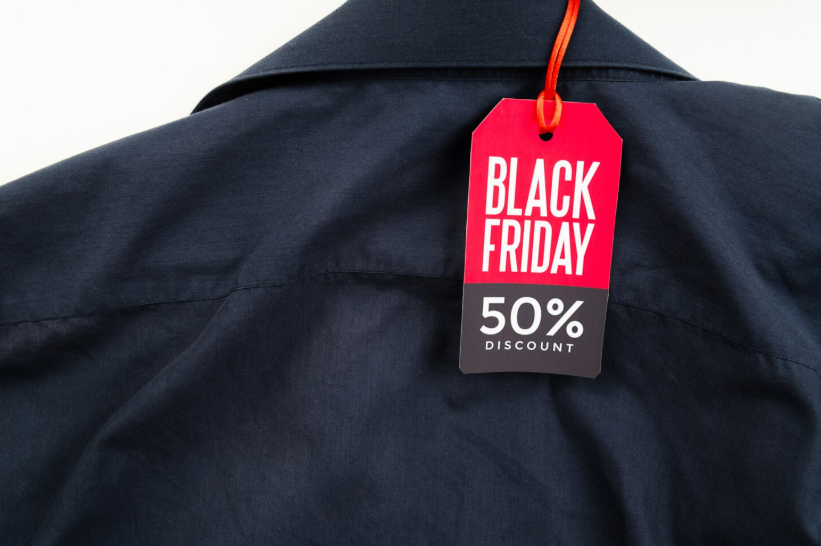
Once you learn how to outsmart retail trick pricing, those tactics lose most of their power.
Retail pricing isn’t just math; it’s psychology. Prices are designed to capture your attention, shape your expectations, and make specific options seem irresistible by comparison.
These tactics aren’t illegal or secret; they’re foundational to modern retail strategy. The problem is that most shoppers don’t recognize them in real time, which makes manipulation feel like “just how shopping works.”
How Anchors Quietly Reset Your Sense of Value
Anchoring is the practice of presenting a high reference price first, so everything else looks reasonable by comparison. You’ll see it as “Was $199, Now $119,” even if the item rarely sold at the higher price.
The anchor doesn’t exist to be chosen; it exists to frame your perception. After seeing the higher number, your brain treats the lower price as a deal, regardless of whether it’s actually competitive.
Retailers use anchors everywhere: original prices, inflated MSRPs, crossed-out numbers, and even “premium” versions of products that make the mid-tier option feel safer.
See The Snoop Method: Compare Prices Across 5 Sites in Under 30 Seconds to verify real value instantly.
Decoy Pricing: Why the Middle Option Wins
Decoy pricing works by introducing a third option that makes one choice look obviously superior. A typical example is three versions of a product where the middle option feels like the best value, even if it’s more than you intended to spend.
The decoy is usually the most expensive or least valuable option. Its job is to push you toward the target product, not to sell itself.
You’ll see this in subscriptions, bundles, warranties, and product tiers. The goal is to guide choice, not offer fairness.
Explore Senior, AARP, and Quietly Offered Age-Based Discounts Younger People Can Still Use to uncover savings.
Psychological Discounts That Aren’t Real Savings
Retailers often rely on “charm pricing” tactics, such as $9.99 or $49.95, to make prices appear lower than they actually are. Although this is well-known, it remains effective, especially when combined with urgency messaging.
Another tactic is percentage framing. “20% off” feels stronger than “Save $10,” even when the dollar amount is small. The reverse is also true: “Save $200” sounds impressive on a high-priced item, even if the percentage discount is modest.
Free shipping thresholds are another psychological lever. Spending more to “save” on shipping often costs more than paying the shipping fee outright.
Check Secret Student, Teacher, and Military Discounts Adults Rarely Realize They Qualify For to access overlooked savings.
The Illusion of Scarcity and Urgency
“Only 3 left,” “Ends tonight,” and countdown timers are designed to compress decision-making. Sometimes these signals are real. Often, they’re algorithmic nudges triggered by browsing behavior.
Retailers understand that urgency reduces the likelihood of comparison shopping. The faster you decide, the less likely you are to notice better options elsewhere.
When urgency appears suddenly after multiple visits, that’s usually a behavioral trigger, not actual scarcity.
How to Neutralize Trick Pricing Instantly
The fastest way to break pricing manipulation is to step back to absolute numbers. Ask: What am I paying in total, and what do comparable options cost elsewhere?
Ignoring the anchor and comparing across retailers resets your internal reference point. Once you see the real price range, the “deal” either holds up or collapses.
Another tactic is time-shifting. Leaving the page for a few hours often causes urgency messaging to disappear or reset, allowing for rational decision-making to resume.
Learn The Cheapest Days of the Week to Buy Everything to avoid pricing traps.
The Snoop’s Rule for Psychological Pricing
Never judge a deal in isolation. Context is everything.
If a price only feels good because of what it’s next to, that’s manipulation, not value. Genuine deals stand up even after comparison and delay.
Retail trick pricing works best on autopilot. The moment you recognize the tactic, you’re back in control, and that’s when real savings happen.