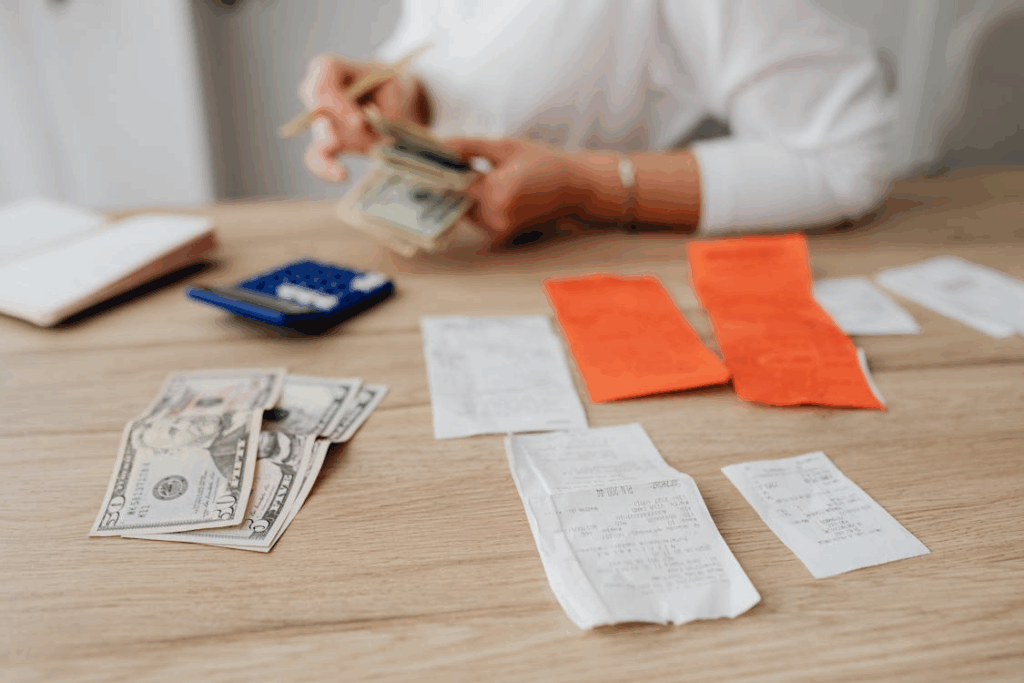

Understanding how waitlists function turns passive waiting into a deliberate savings strategy.
Waitlists are marketed as scarcity tools; you sign up now and hope you get in later. But behind the scenes, many waitlists are actually pricing levers. Retailers and subscription services use them to measure demand, test price sensitivity, and trigger follow-up offers designed to convert hesitant shoppers. Ironically, the best deals often go to people who sign up and then don’t act.
Why Companies Use Waitlists in the First Place
Waitlists solve two problems for companies. First, they create the perception of demand without committing inventory or resources. Second, they segment customers by interest level: who’s eager, who’s curious, and who’s price-sensitive.
When you join a waitlist, you’re signaling interest without purchase intent. That makes you valuable data. Companies track whether you open emails, click links, or ignore follow-ups. Each behavior feeds the algorithm, which decides what incentive, if any, to send next.
The goal isn’t fairness. It’s conversion at the highest acceptable price.
Check out How to Score Outlet Prices Without Going to an Outlet Mall for a shortcut to hidden discounts.
The Psychology Behind “Sign Up and Step Back”
Most companies expect a percentage of waitlisted users to lose interest. To counter that drop-off, they deploy re-engagement tactics such as early-access pricing, exclusive discounts, bonus features, or limited-time offers sent only to non-converters.
If you buy immediately, you remove yourself from that pool. If you hesitate, you remain eligible for incentives designed to push you over the line.
This is why walking away, temporarily, often produces a better deal than acting fast.
Explore The Grocery Store Layout Hack That Cuts Your Total by 20% to see how stores influence spending.
Where Waitlist Deals Are Most Common
Subscription services, digital tools, online courses, and new product launches rely heavily on waitlists. These businesses have flexible margins and can afford to offer targeted discounts without advertising them publicly.
Physical products also use waitlists, especially for limited releases or restocks. If inventory doesn’t move as expected, waitlisted users may receive quiet price drops or bundle offers before the item is released more broadly.
Even fashion and beauty brands use waitlists to identify shoppers likely to respond to private promo codes.
To reduce grocery waste, try The Pantry Reset Trick That Saves $150/Month Without Couponing.
The Timing That Triggers Better Offers
The first follow-up usually arrives within a few days and rarely includes the best deal. It’s a reminder, not an incentive. The real offers tend to appear one to three weeks later, once the company has enough data to identify who hasn’t converted.
Opening emails without clicking signals interest without urgency—a sweet spot for discounts. Ignoring everything entirely can sometimes trigger even stronger offers, though results vary.
The key is patience. Waitlist incentives are scheduled, not spontaneous.
How to Maximize the Upside Without Risk
Use a dedicated email address for waitlists to avoid missing offers and keep your primary inbox clutter-free. This also lets you track patterns across brands over time.
Avoid clicking “buy now” links immediately unless the offer is genuinely compelling. If the product isn’t time-sensitive, waiting often improves the outcome.
Set a personal deadline. If the price reaches a level you’re satisfied with, take action. If not, walk away completely. Not every waitlist pays off, and that’s fine.
Learn How to Outsmart Retail Trick Pricing (Decoys, Anchors, and Psychological Discounts) to avoid overspending.
The Snoop’s Rule for Waitlist Strategy
Joining a waitlist is free leverage. Use it.
Sign up early, disengage slightly, and let the algorithm work for you. If a better offer comes, great. If not, you’ve lost nothing.
The biggest mistake shoppers make is assuming waitlists reward speed. In reality, they reward restraint.