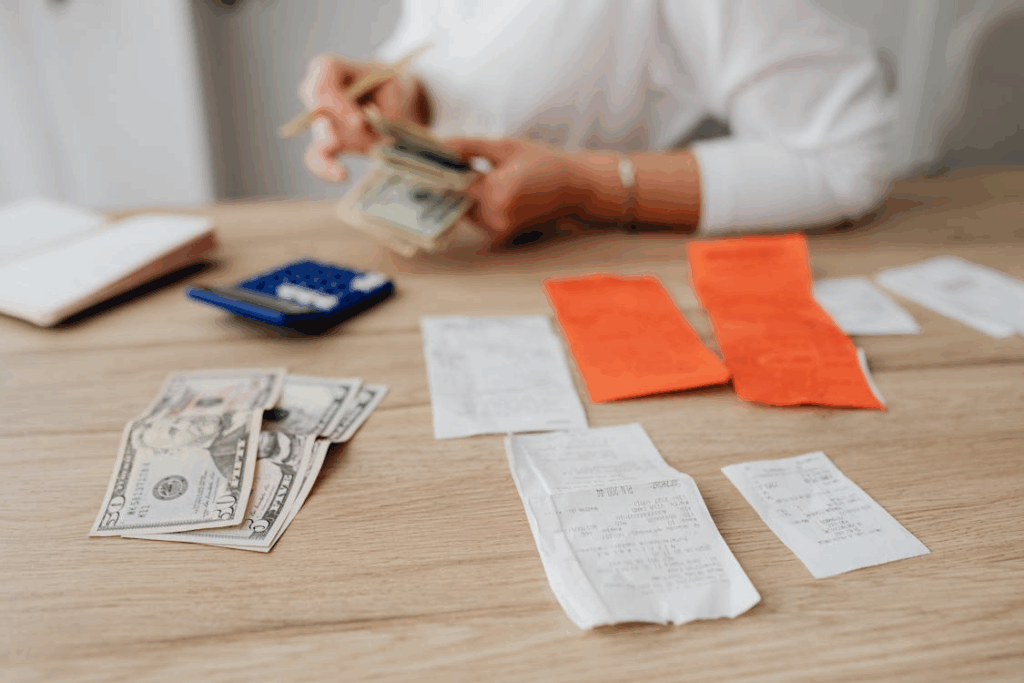

Family budgets rarely break due to one significant expense. They erode through dozens of small, repeated choices that feel harmless in the moment. Small swaps compound. That’s where the power is.
Extra convenience here, a minor upgrade there, it all blends into “normal.” The Family Savings Playbook isn’t about cutting joy or living frugally for the sake of it. It’s about using family savings tips that replace a few automatic habits with smarter defaults that add up dramatically over the course of a year.
Why Families Overspend Without Realizing It
Family spending is busy spending. Decisions are made quickly, often under pressure, and repeated without review. When something works, it becomes permanent, even if it’s expensive.
Subscriptions multiply, convenience fees creep in, and “just this once” purchases become routine. Because no single decision feels large, nothing triggers correction.
The playbook works by targeting repeat behaviors, not one-off events.
See Monthly Expenses Most People Forget to Audit and How to Lower Them for more ways to plug quiet leaks.
The Food Swaps That Add Up Fast
Food is the most significant lever. Swapping one or two weekly takeout meals for planned leftovers or quick home-cooked meals can save thousands of dollars annually without changing what your family eats.
Bulk buying staples you already use rather than experimenting reduces waste and the need for repeat trips. Store brands quietly replace name brands with no complaints once the habit is set.
The goal isn’t perfection. It’s consistency.
Transportation Tweaks That Lower Monthly Costs
Small changes in driving habits make a noticeable difference. Combining errands into a single trip reduces fuel consumption without sacrificing convenience.
Keeping tires properly inflated, staying on top of maintenance, and driving more conservatively all reduce ongoing costs. These habits don’t feel like sacrifices, but they compound quietly.
Even one less unnecessary trip per week adds up over the course of a year.
Check out How to Outsmart Surge Pricing on Food Delivery and Ride Apps to avoid timing-based price spikes.
Utility and Energy Swaps That Don’t Feel Restrictive
Families often overpay for energy simply because systems are left on autopilot. Adjusting thermostats slightly, using timers, and unplugging unused devices can help reduce bills without compromising comfort.
Laundry habits matter too. Washing in cold water and air-drying when possible lowers energy use with zero lifestyle change.
These aren’t dramatic shifts. They’re default adjustments.
Subscription and Entertainment Replacements
Many families pay for overlapping entertainment. Swapping multiple subscriptions for rotation keeps content fresh and costs low.
Free or low-cost local activities, such as parks, libraries, or community events, often replace paid entertainment without kids noticing the difference.
The value comes from intention, not deprivation.
Explore The Coupon Stacking Loophole Most Major Retailers Still Allow for another smart way to save.
Shopping Defaults That Prevent Overspending
Impulse buying is the enemy of family budgets. Creating simple pauses, such as waiting 24 hours before making non-urgent purchases, automatically filters out unnecessary spending.
Shopping with lists, buying during midweek sales, and comparing before checkout become habits that don’t feel like work once established.
The fewer decisions you make, the less money leaks out.
Teaching Kids Through Example (Without Lectures)
Kids absorb habits more than instructions. When they see intentional choices modeled, they learn value naturally.
Involving them in small decisions, such as choosing meals from what’s already at home, builds awareness without pressure.
Savings become normal, not restrictive.
Check out The Grocery Store Layout Hack That Cuts Your Total by 20% to save even more you shop.
The Snoop’s Rule for Family Savings
Don’t chase big cuts. Fix small leaks.
Choose swaps that feel invisible once implemented. If it requires constant discipline, it won’t last.
The best family savings plans don’t feel like plans at all; they feel like life running a little smoother and cheaper.